

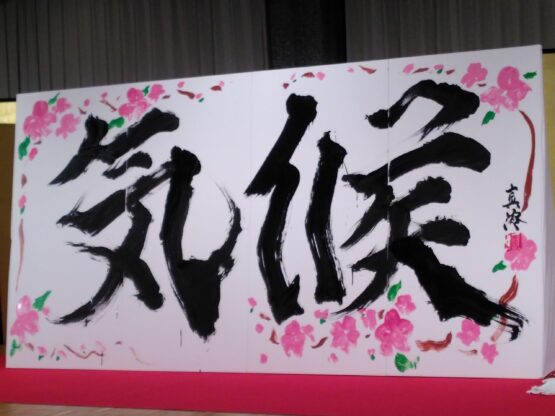
OCEAN ICE presented work at the TIPMIP GA at the University if Tokyo and the CMIP7 Community Workshop in Kyoto. Work was presented from WP6 on the theme of modelling ice sheet freshwater fluxes in Earth System Models.
Climate modellers from around the world travelled to Japan this spring for two international meetings. The first was the General Assembly of the TIPMIP project, held at the University of Tokyo. TIPMIP Is a broad model intercomparison project, spanning full ESMs and a variety of standalone models of different components of the Earth System trying to assess the risk of crossing tipping points in the cryosphere, biosphere and ocean systems at different levels of climate change and overshoot.
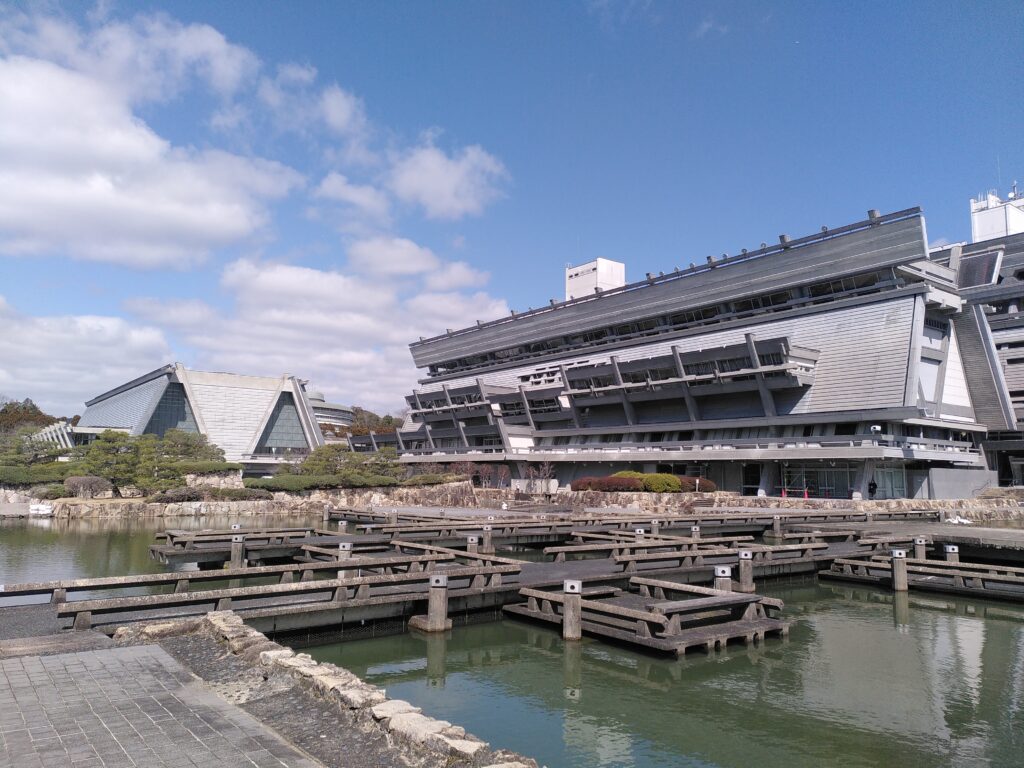
There was plenty of discussion of the results from the first ESM experiments using the TIPMIP protocol, and finalisation of the follow-on protocols for the sub-component experiments. Ice sheets feature prominently in TIPMIP as one of the key tipping elements to be modelled and for their role in influencing the global ocean circulation. I presented work with UKESM looking at the oceanographic causes of the Ross ice shelf tipping point that has been identified in our TIPMIP_ESM simulations and the potential climate implications of a sudden collapse of the Ross ice shelf and addition of a large amount of ice sheet-derived freshwater into the Southern Ocean that we are modelling in OCEAN ICE. There was also discussion of expanding the current TIPMIP_Ocean protocol to include a Southern Ocean hosing experiment. The next week saw an even larger gathering at the Kyoto International Conference centre, famous as the site where the Kyoto Protocol was agreed at COP3 in 1997, for the CMIP7 Community Workshop. This workshop was an opportunity to discuss the latest developments in Earth system and coupled modelling, new experimental designs and MIPs and provide everyone with frequent reminders of the CMIP Fast Track and IPCC AR7 paper deadlines. The range of content at the workshop really did bring home the current scale and ambition of the CMIP enterprise. On the second day I convened a side-session discussing the importance of including ice sheet processes and freshwater fluxes in climate simulations that was well attended, as was a later event on evaluating climate model performance for regional applications, including a focus on polar regions. UKESM simulations for CMIP7 will include an interactive Antarctic ice sheet component in all our projections, so I had plenty of opportunity to talk about our work there too!
The author of the article - Robin Smith (National Centre for Atmospheric Science)
The first image is a calligraphy banner that was drawn, live, during the workshop reception and says "Climate".